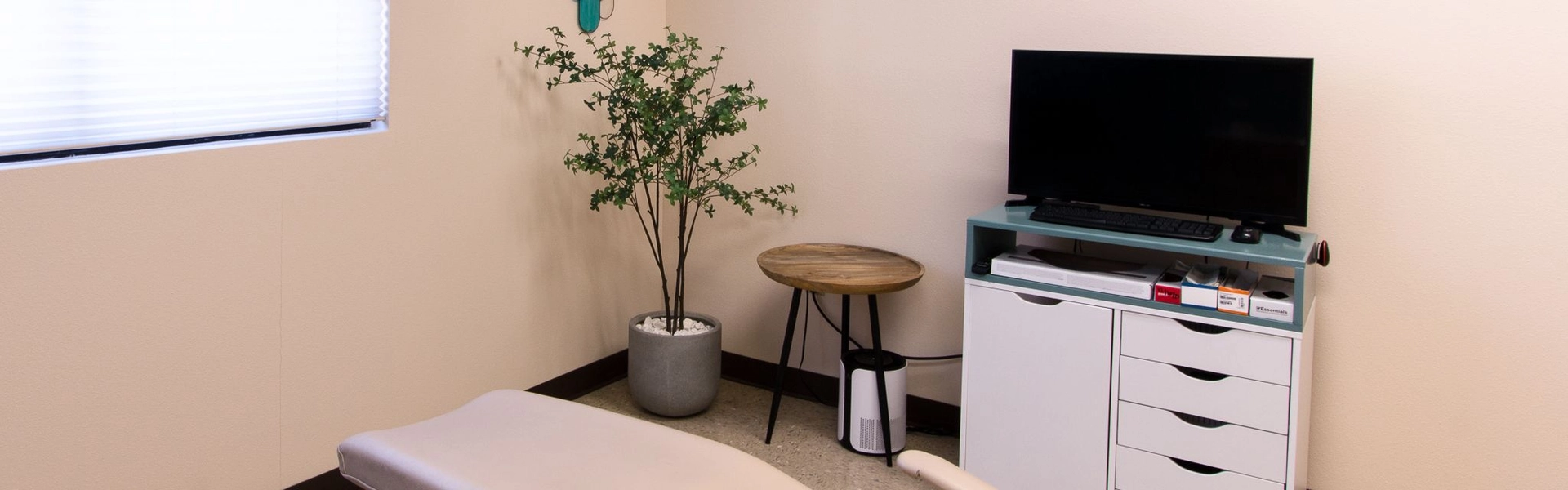
Tooth Extractions in Reno, NV: What Patients Should Know
At Whites Creek Dental in Reno, NV, patients often ask when tooth extractions are necessary and what recovery is like. This page provides a clear overview of tooth extractions in Reno, NV, including when removal is recommended, how the procedure works, and what to expect afterward.
Tooth Extractions Explained
A tooth extraction is the removal of a tooth from the jawbone socket. Dentists may recommend removal when a tooth cannot be restored due to severe decay, fracture below the gumline, advanced gum disease, or a deep infection. Other reasons include orthodontic space needs, cracked roots, or impacted wisdom teeth. Depending on the case, extractions are either simple or surgical. A simple extraction removes a tooth that is visible and loosened with instruments. A surgical extraction is used for teeth that are broken at the gumline, impacted, or difficult to access, and may involve a small incision or sectioning the tooth.
Why Consider Tooth Extractions?
- Relieving pain from severe decay, infection, or cracked teeth can restore comfort and function.
- Removing a source of infection can protect neighboring teeth and overall health.
- Eliminating weak or broken teeth can prevent repeated emergencies and complications.
- Creating space for orthodontic treatment can improve alignment when recommended.
- Preparing for a denture, bridge, or dental implant can improve chewing and stability.
How Tooth Extractions Work
The process begins with an exam and X-rays to assess the tooth's roots, surrounding bone, and nearby structures. Anesthetic options are reviewed to keep you comfortable. For most extractions, local anesthesia fully numbs the area. Sedation may be available in select cases.
For a simple extraction, the tooth is gently loosened and removed with specialized instruments. For a surgical extraction, a small incision may be made, and a portion of bone may be adjusted to access the tooth. Stitches may be placed as needed. Most appointments take less than an hour, though impacted wisdom teeth can take longer.
What to Expect Before and After Extraction
Before your visit, share all medications and health conditions. You may be asked to eat a light meal if local anesthesia is planned or to follow fasting guidelines if sedation is used. Arrange a ride if sedation is part of your care. Wear comfortable clothing and plan quiet activities after the appointment.
Right after the extraction, gauze is placed and gentle pressure helps form a clot. Slight oozing is normal for the first 24 hours. Take prescribed or recommended pain relievers as directed. Use cold compresses on and off for the first day to reduce swelling. Sleep with your head elevated the first night.
- Avoid smoking or vaping during early healing because this increases dry socket risk.
- Do not use straws or spit forcefully for 24 hours to protect the clot.
- Eat soft, cool foods the first day and advance to tender foods as comfort allows.
- Begin gentle saltwater rinses after 24 hours, and keep the area clean without disturbing the site.
- Resume normal brushing while avoiding the socket for the first couple of days.
Mild soreness typically improves within two to three days. Gum tissue usually closes within one to two weeks, while deeper bone remodeling continues for several weeks. Wisdom tooth removal may need additional recovery time. Do not dislodge the blood clot, as this can lead to dry socket, a painful condition that delays healing.
If you experience fever, increasing swelling after day three, heavy bleeding that does not slow with pressure, or worsening pain, contact the dental office promptly.
After healing, replacing a missing tooth can help preserve bite balance and jawbone. Options may include a dental implant, bridge, or partial denture. In some cases, bone grafting at the time of extraction helps support future tooth replacement. These choices are part of a personalized plan after your mouth has healed.
Frequently Asked Questions About Tooth Extractions
Local anesthesia numbs the area so you should feel pressure but not sharp pain. After the numbness wears off, mild to moderate soreness is common and managed with recommended pain relievers and cold compresses.
Most people return to routine activities within one to three days. Gum tissue usually closes in one to two weeks. Surgical or wisdom tooth extractions may require a longer timeline.
Start with soft, cool foods such as yogurt, applesauce, and mashed potatoes. Advance to soft proteins and cooked vegetables as comfortable. Avoid hard, crunchy, or spicy foods until the area feels better.
Dry socket occurs when the blood clot dissolves or is dislodged, exposing bone and nerves. Do not smoke, avoid straws, keep activity light for 24 hours, and follow aftercare instructions to reduce risk.
No. Wisdom teeth are removed when they are impacted, cause pain or infection, damage nearby teeth, or create crowding. Healthy, fully erupted wisdom teeth that are easy to clean may be monitored.
Antibiotics are used when there is spreading infection or certain medical conditions. Many extractions heal well without antibiotics when proper cleaning and aftercare are followed.
Discuss timing during your follow-up. Many patients evaluate options once soft tissue heals, often a few weeks after removal. Implants may be placed later or, in select cases, sooner with careful planning. For questions or to plan an evaluation for tooth extractions, contact Whites Creek Dental in Reno, NV at 775-622-4656 to schedule a visit with Dr. Cameron Foulk.